

Western insurers have lost the right to appeal a major London High Court judgment that could see aircraft lessors recover more than US$1 billion from war-risk insurance policies for jets stranded in Russia after the 2022 invasion of Ukraine.
The High Court’s refusal to permit insurers to appeal the decision marks a significant development in one of the largest legal battles in aviation insurance history. Judge Christopher Butcher denied permission on all grounds, although decisions on legal costs will be determined at a later date.
Originally, lessors including AerCap (Ireland-based), Dubai Aerospace Enterprise (DAE), Merx Aviation, KDAC Aviation Finance, Falcon and Genesis brought claims against a group of global insurers, such as AIG, Lloyd’s, Chubb, Swiss Re and HDI Global Specialty, seeking compensation for almost 150 aircraft and some engines that remain in Russia due to export bans and sanctions.
In June, the court held that the affected aircraft met the legal definition of “lost” under the applicable war-risk insurance policies, allowing lessors to recover significant sums, although attempts to claim under broader “all-risks” coverage were rejected.
The case has become a bellwether for similar litigation globally, with related claims progressing in other jurisdictions, including the United States.
Read more here.

Global airlines incurred more than US $11 billion in additional costs over 2025 as ongoing aerospace supply chain disruptions continue to weigh on the industry, according to a new report from the International Air Transport Association (IATA).
The analysis, which is the first to put a firm financial figure on the impact of prolonged supply chain constraints, points to persistent labour shortages, material availability issues and delays in aircraft parts and engine repairs. These challenges are forcing airlines to operate older and less fuel-efficient aircraft for longer, while also driving higher maintenance, leasing and inventory costs.
IATA identified several factors contributing to the increased financial burden on carriers. These include higher fuel consumption linked to ageing fleets, rising maintenance expenses as aircraft remain in service beyond planned replacement timelines, and escalating engine leasing costs as repair backlogs continue to grow. Airlines are also carrying larger inventories of spare parts in an effort to protect operations from further disruption, adding to overall costs.
IATA Director General Willie Walsh described the situation as “a massive drag on the industry,” warning that supply chain constraints are likely to remain a structural challenge for airlines well into the latter part of the decade.
The findings come at a time of strong and sustained demand for air travel, with passenger numbers continuing to rise. However, aircraft manufacturers and the wider aerospace supply chain are struggling to match that demand, placing increasing pressure on airline operating costs and profit margins across the sector.
Read more here.
2026: Engine Shortages and Grounded Aircraft Are Now the Primary Constraint on Global Fleet Availability
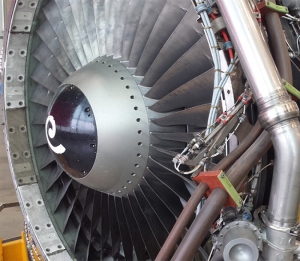
Engine availability has emerged as the most immediate operational constraint shaping the aircraft leasing market, overtaking airframe production delays as the dominant short-term risk for airlines. Ongoing shortages of spare engines, extended shop visit timelines, and constrained MRO capacity are grounding aircraft across multiple fleet types, particularly next-generation narrowbodies.
Airlines operating GTF-powered fleets and older CFM variants are facing longer-than-expected maintenance cycles, with limited access to replacement engines exacerbating downtime. As a result, carriers are increasingly turning to lessors for short-term lift, lease extensions, and stop-gap capacity to protect schedules and maintain network integrity.
For lessors, the engine situation is reinforcing demand for available aircraft with clear maintenance status and near-term operability. Mid-life assets with strong maintenance records are benefiting, as airlines prioritise certainty of availability over fleet modernisation timelines. Lease extensions are becoming more common as operators delay returns and seek stability through the disruption.
The engine bottleneck is expected to persist through the mid-to-late 2020s, supporting utilisation rates, sustaining lease pricing, and increasing the strategic value of technical asset management within leasing portfolios.
Read more here.
Lessors Expected to Strengthen Position Over 2026 with Fuel-Efficient Fleets amid OEM Backlogs

Aircraft lessors are expected to further strengthen their market position over 2026 as airlines respond to sustained OEM delivery backlogs by prioritising access to modern, fuel-efficient aircraft. Market analysis points to continued growth in leasing demand as carriers balance capacity needs with cost control and sustainability pressures.
With production delays limiting direct fleet expansion, airlines are increasingly relying on lessors to provide near-term lift, particularly through new-generation narrowbody aircraft and structured wet lease solutions. This shift is reinforcing the role of leasing as a core fleet strategy rather than a short-term bridge.
For lessors, the focus on fuel efficiency is supporting asset values and driving competition for high-spec aircraft, while also increasing operational complexity across technical management, contract structuring, and fleet placement. Wet leasing remains an active segment as airlines protect schedules and manage seasonal demand volatility.
Read the full market analysis via GlobeNewswire
Top 10 facts about Ireland’s Aircraft Leasing Sector

Ireland’s Role as a Global Hub for Aircraft Leasing
Over the past several decades, Ireland has established itself as one of the world’s leading hubs for the aircraft leasing industry. Today, the country is widely recognised as a centre of excellence for aircraft leasing, aviation finance, and related professional services, supporting lessors and financiers operating across every major global aviation market.
Below are some of the key factors from the past, present and future that have contributed to Ireland’s success in aircraft leasing and continue to underpin its long-term relevance to the industry.
Fact 1: A long-standing presence in global aircraft leasing
Ireland has over four decades of involvement in aircraft leasing. The country became an early participant in the sector in the 1970s with the establishment of pioneering leasing platforms, helping to lay the foundations for what has since become a globally significant industry cluster. This early mover advantage has played a major role in shaping Ireland’s reputation as a natural home for aircraft leasing businesses.
Fact 2: A global base for leading lessors and financiers
Today, many of the world’s largest aircraft lessors, banks, asset managers and aviation finance platforms operate from Ireland. These organisations use Ireland as a base to finance, manage and lease aircraft to airlines worldwide, making the sector one of Ireland’s most internationally focused industries and a key contributor to the domestic economy.
Fact 3: A strong professional services ecosystem
The scale of aircraft leasing activity managed from Ireland has driven significant growth across professional services. Legal, accounting, tax, technical and advisory firms have developed dedicated aviation teams to support the sector, creating a highly specialised ecosystem that reinforces Ireland’s attractiveness to both established players and new market entrants.
Fact 4: A recognised global meeting point for aviation finance
Ireland regularly hosts major international aviation finance and leasing conferences, attracting thousands of industry professionals from around the world. These events further reinforce Ireland’s position as a focal point for industry dialogue, deal-making and collaboration across the global aviation community.
Fact 5: Significant long-term growth in leasing activity
Over time, the value of aircraft assets managed through Ireland has grown substantially, driven by both organic growth among established lessors and the arrival of new entrants. This expansion reflects the increasing importance of leasing within the global aviation industry and Ireland’s role in supporting that growth.
Fact 6: Strong links to high-growth aviation markets
A large proportion of global aircraft leasing demand is driven by emerging and high-growth regions, particularly in the Asia-Pacific region. Ireland’s leasing platforms are deeply connected to these markets, supporting airlines and operators as they expand fleets to meet rising passenger demand.
Fact 7: A coordinated industry voice
The aircraft leasing sector in Ireland is supported by an established industry body that represents the interests of lessors operating in the jurisdiction. This organisation plays a role in industry engagement, policy dialogue and the promotion of Ireland as a global leasing centre.
Fact 8: An extensive international tax treaty network
Ireland’s broad network of double taxation treaties continues to be an important factor in its attractiveness to aircraft lessors operating on a global basis. Ongoing engagement with international markets helps ensure Ireland remains competitive as leasing activity expands into new regions.
Fact 9: Ireland’s continued appeal amid global regulatory change
Ongoing regulatory and geopolitical developments in other jurisdictions have, over time, led some firms to reassess where they locate key operations. Ireland’s established regulatory framework, talent pool and international connectivity continue to make it an attractive option for aircraft leasing businesses seeking long-term stability.
Fact 10: Continued contribution to the Irish economy
The aircraft leasing and broader aviation finance sector remains a significant contributor to Ireland’s economy, supporting high-value employment and international investment. As global air travel continues to evolve, the sector is expected to remain an important pillar of Ireland’s international financial services landscape.
About GKR
GKR is a leading recruitment specialist in the aircraft leasing sector in Ireland and internationally. To learn more about the market or to speak with a member of our dedicated aircraft leasing team, please get in touch or view our latest opportunities here or via our LinkedIn page.